
Will a Personal Injury Settlement Affect Your Food Stamps?
Say you’re hurt in an accident and take legal action with the help of a personal injury attorney in Melbourne, FL. You’re able to receive financial compensation for your claim to recoup some of your accident-related expenses. Do you have to report the settlement if you’re receiving some type of government assistance?
You’re not the first person to wonder, “Will a personal injury settlement affect my food stamps?” Discover what your personal injury settlement income means for your public assistance eligibility. Below, our attorneys at Alpizar Law, LLC explain how a potential settlement may alter your government benefits.
Understanding Federal Food Stamps Requirements
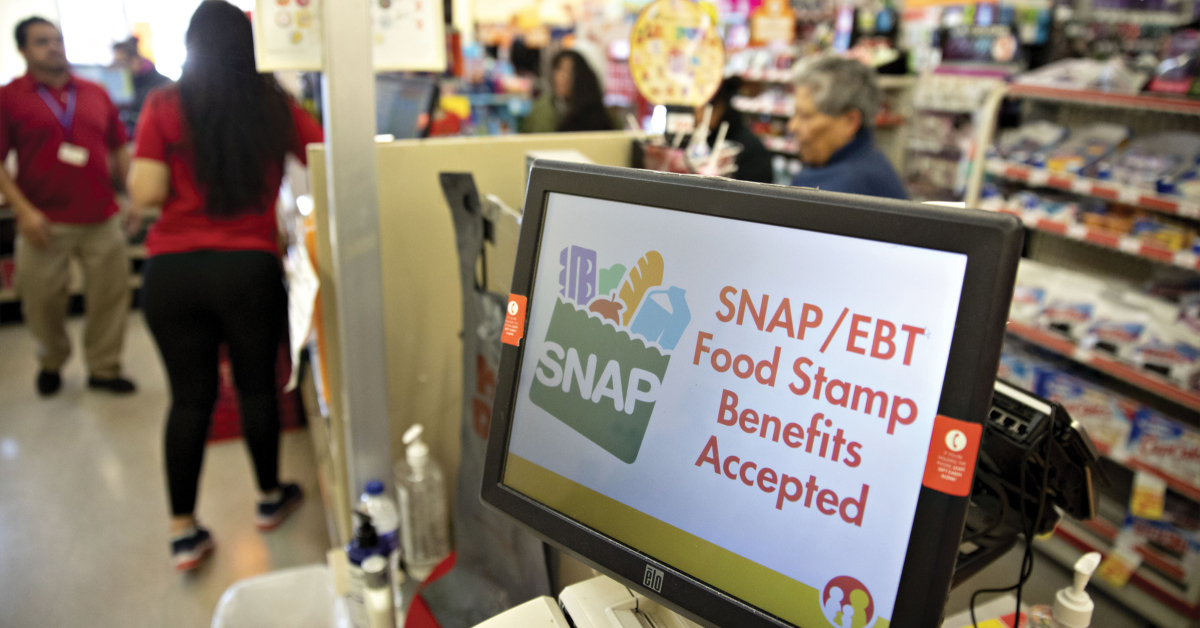
Qualifying Americans rely on the Supplemental Nutrition Assistance Program (SNAP) to receive access to nutrition education and food assistance. Florida residents must meet various eligibility requirements, including:
- Meeting a gross income limit that is under 200% of the Federal Poverty Level
- Abiding by general work requirements, though some exceptions apply for students, caregivers, and disabled individuals
- Falling below certain asset and resource limits
Eligibility may change for those who receive settlements from personal injury claims. It’s crucial to understand the reporting requirements if you find yourself in this position.
Lump-Sum vs. Structured Settlements
Suppose you settle an injury claim for $50,000. If you accept it as a lump sum, there’s a chance it could impact your public assistance eligibility. Florida officials require individuals to report any changes to their monthly income when it exceeds 130% of the Federal Poverty Level for their household size.
“Will a personal injury settlement affect my food stamps if I opt for structured settlements?” It depends. You may remain eligible for assistance if your gross monthly income stays below the accepted threshold.
Some settlement amounts don’t impact plaintiffs receiving SNAP benefits. A structured settlement may not affect your eligibility, depending on the payment schedule and reporting.
What About Other Government Assistance Programs?
Perhaps you were already receiving Medicare benefits when you filed your personal injury suit. If your case ends with a settlement, the income won’t change your Medicare eligibility, as this is an age-based benefit.
Medicaid, like SNAP, is a need-based benefit that focuses on one’s income. A sizable settlement could put you above the accepted threshold for Medicaid benefits, potentially causing you to miss out on government-funded health insurance coverage.
Speak with your attorney about your concerns regarding a potential settlement. They may be able to explore options that won’t hurt your eligibility, depending on the circumstances of your case.
Consider Attorneys’ Fees and Comparative Negligence Rules
If you’re wondering, “Will a personal injury settlement affect my food stamps?” you have to consider factors that may change the payout. Your benefits may not automatically be in jeopardy based on some key details.
Let’s say you’re involved in a car accident where both you and the other driver were distracted. The court deems that you are both 50% at fault. Given Florida’s comparative negligence rule, you would only be eligible to receive 50% of the total settlement amount.
This can drastically change your case and potentially allow you to maintain SNAP benefits. Bear in mind that your attorney will try to maximize your compensation by gathering evidence in your favor. The strength of your case could impact your percentage of fault.
Speaking of your attorney, they’ll need to receive compensation for their efforts in handling the case. Attorneys’ fees typically come directly out of a settlement before the remaining amount is passed on to you. The remainder may include funds for:
- Medical expenses to treat your injury
- Property damage
- Lost wages
- Pain and suffering
Funds that go toward paying for medical care and property damage don’t count against SNAP benefits. If a large portion of your settlement is allocated to these economic damages, you may be eligible to continue receiving food assistance. On the other hand, lost wages and non-economic damages could impact your eligibility, depending on your circumstances.
Discuss Settlement Scenarios With a Personal Injury Lawyer
Will a personal injury settlement affect my food stamps? Could I lose Medicaid and other government benefits for receiving compensation in a personal injury case? At Alpizar Law, LLC, we hear these questions and similar concerns from clients.
While a potential settlement may impact SNAP eligibility, it shouldn’t prevent you from filing a claim against a negligent party. Our legal team handles many types of cases and is committed to seeking justice for our clients. To discuss your options with a knowledgeable attorney, contact us today.
Submit our online request form or call our Palm Bay-based firm at (321) 676-2511.
Frequently Asked Questions About Personal Injury Settlements and Food Stamps in Florida
Have concerns that a settlement might put your benefits at risk?
It is advisable to consult with a seasoned Florida injury attorney prior to agreeing to any personal injury settlement.
At Alpizar Law, we will put your options in perspective and show you how the proceeds could bear on your SNAP or Medicaid status and other forms of assistance, all the while making sure your right to compensation is safeguarded.